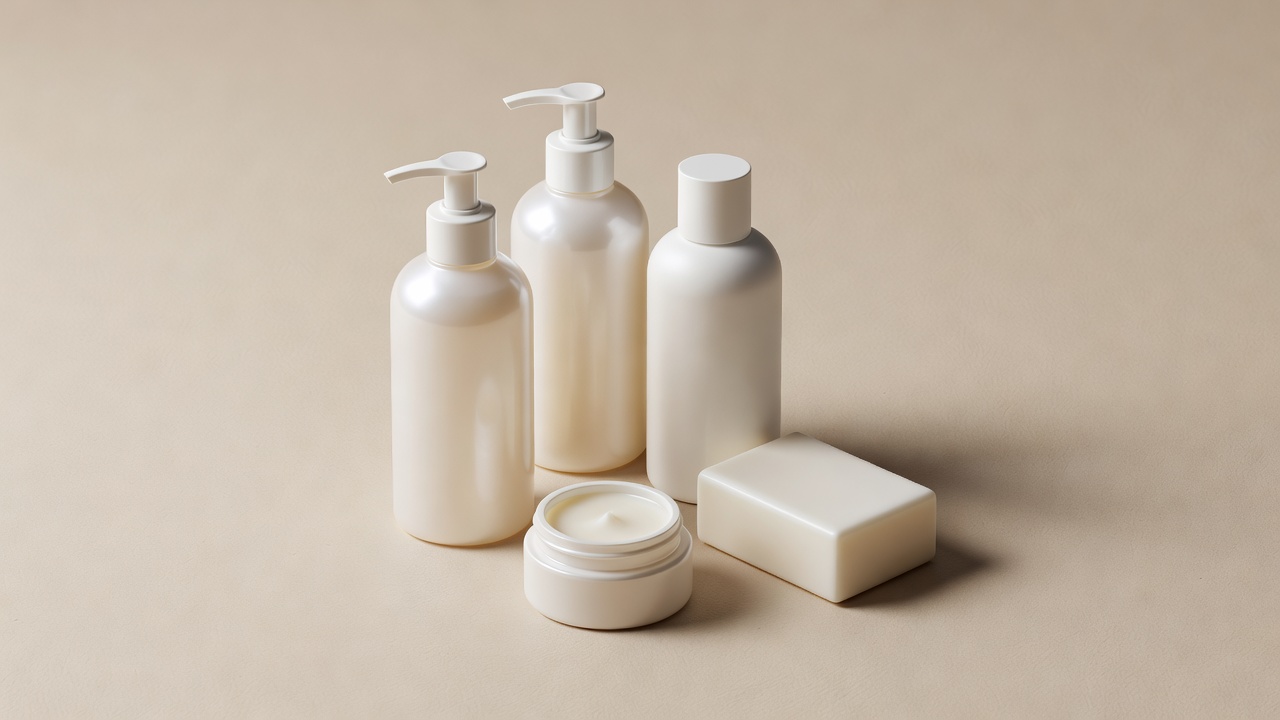
What a travel cleanser needs to do
On an outdoor trip, the evening cleanse has a practical job: lift off sunscreen, sweat, salt spray and dust so your moisturiser goes onto clean skin. "Gentle" generally means a formula that does the job without leaving skin feeling tight — a matter of personal comfort rather than a single ingredient list. If your current cleanser suits you at home, it is usually the safest choice to bring; a trip is not the moment to experiment.
Water-resistant sunscreens are designed to stay put, so some people find a single wash leaves residue. A two-step approach (an oil or balm, then a water-based cleanser) is one option at home; on the road, one well-chosen product plus a soft cloth is often enough.
Formats compared
Gel & cream
- Familiar, easy to rinse
- Decants well into 30–50 ml bottles
- Counts as a liquid at security
- Needs running water
Micellar water
- No-rinse option on pads
- Useful when water is scarce
- Pads create waste to pack out
- Bulky for the volume of use
Balm & oil
- Small tin goes a long way
- Handy for lifting sunscreen
- Can liquefy in heat
- Usually needs a second rinse
Solid bar
- No leaks, small footprint
- Often easier for carry-on
- Needs a ventilated case
- Gets soft in damp washbags
Low-water routines for camps and boats
At a wild camp in the Scottish Highlands or on a small yacht with a limited fresh-water tank, the routine changes more than the product. The Leave No Trace principles advise washing at least 60 metres (about 200 feet) from lakes and streams and using only small amounts of biodegradable soap. On a boat, check the skipper's rules on grey water and tank use.
A practical approach: pour a little water into a collapsible bowl, wet a washcloth, use a pea-sized amount of cleanser, then wipe and rinse the cloth. Scatter the used water well away from any source, as the guidelines suggest. Micellar water on reusable cotton rounds works for evenings when even that is too much effort — pack the rounds out in a separate zip bag.
- Collapsible silicone bowl
- Quick-dry microfibre washcloth
- 30 ml decanted gentle cleanser
- Reusable cotton rounds
- Zip bag for used rounds
- Small mirror or phone camera
Beach and hotel trips
When there is a sink and shower, the main question is liquids allowance. If you fly with carry-on only, a solid bar or a small balm frees space in your clear bag for sunscreen, which is harder to substitute. Sand gets into everything, so a cleanser with a flip cap or pump is easier to keep clean than a screw-top jar. Rinse salt and chlorine from skin when you come out of the water; the evening cleanse then has less to do.
Decanting without the mess
Cleansers decant well. Use clean, dry silicone or PET bottles, fill to about 80% so changes in cabin pressure do not force product out, and label each bottle with its contents. Wash travel bottles between trips. Keep sunscreen in its original labelled pack — directions and expiry details matter more there.